
Common Cleaning Myths Debunked: What Actually Works?

Myth 1: Vinegar Cleans Everything
Vinegar is often hailed as a miracle cleaner, but it’s not suitable for every surface. While it works wonders on glass and tiles, it can damage natural stone surfaces like granite and marble. The acidity of vinegar can lead to etching, which is a form of corrosion on these materials. It's essential to use a cleaner specifically designed for stone surfaces to maintain their luster and integrity.

Myth 2: More Detergent Equals Cleaner Clothes
Many people believe that adding more detergent will result in cleaner clothes. However, using too much detergent can actually have the opposite effect. Excess detergent can cause a build-up of residue, trapping dirt and bacteria. This can leave your clothes looking dull and smelling musty. Always follow the recommended measurements on the detergent packaging for the best results.
Myth 3: Bleach is the Best Disinfectant
Bleach is often thought of as the go-to disinfectant for all cleaning tasks. While it is effective at killing germs, bleach is not always the best choice. It can be harsh on certain surfaces and fabrics, and its fumes can be harmful if inhaled. For a safer alternative, consider using hydrogen peroxide or a disinfectant that is specifically designed for the surface you are cleaning.
Myth 4: Feather Dusters Remove Dust
Feather dusters are a common tool in households, but they may not be as effective as you think. Instead of removing dust, they often just spread it around. Microfiber cloths are a much better option as they can trap dust particles due to their electrostatic properties. This ensures that dust is removed rather than redistributed.
Myth 5: Windows Should Be Cleaned with Newspaper
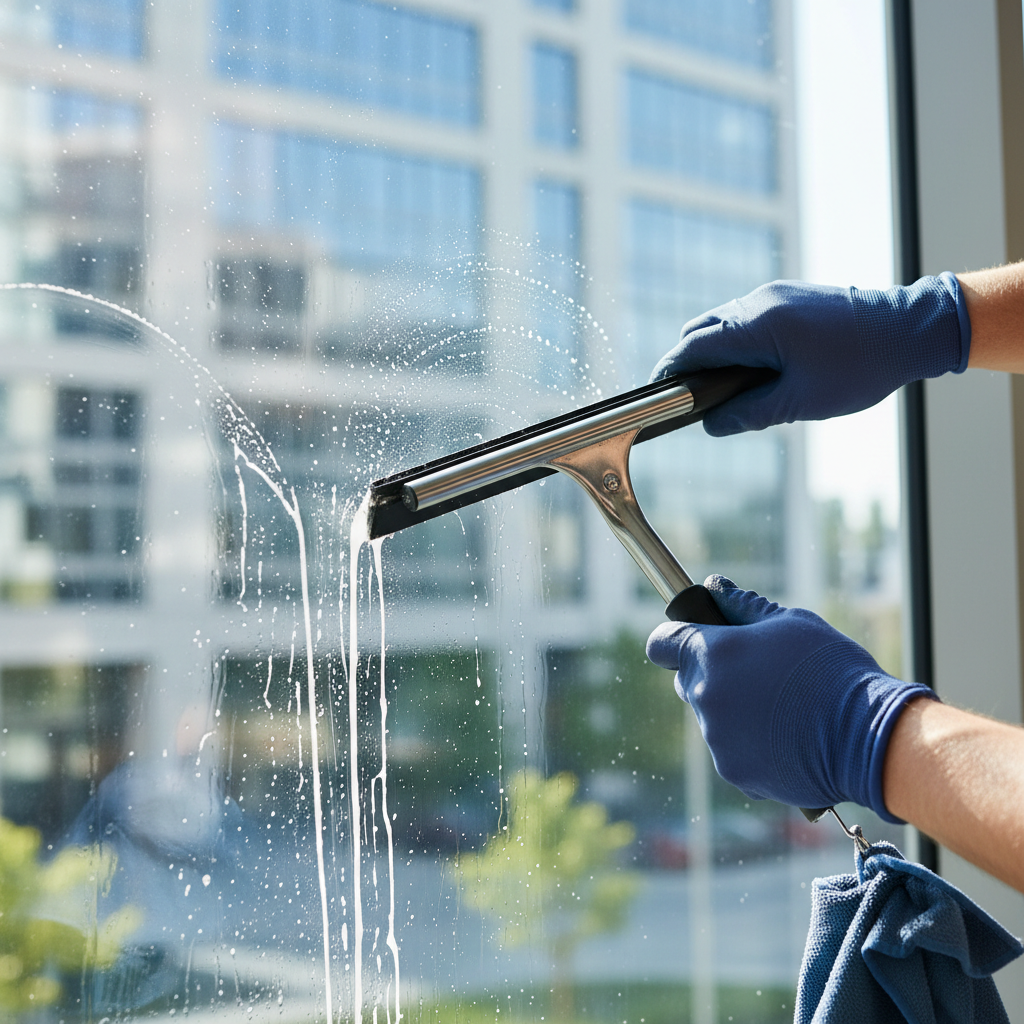
Using newspaper to clean windows is a time-honored tradition, but it’s not the best method. Modern newspapers are often made with materials that can leave streaks on glass. Instead, use a squeegee or a microfiber cloth with a good glass cleaner for a streak-free shine.
Myth 6: Scrubbing Harder Cleans Better
When faced with tough stains, it’s tempting to scrub harder. However, aggressive scrubbing can damage surfaces, especially delicate ones like wood or non-stick pans. Instead, let the cleaning product do the work. Apply it and let it sit for a few minutes before gently wiping away the stain.
Myth 7: All Surfaces Can Be Cleaned with the Same Product
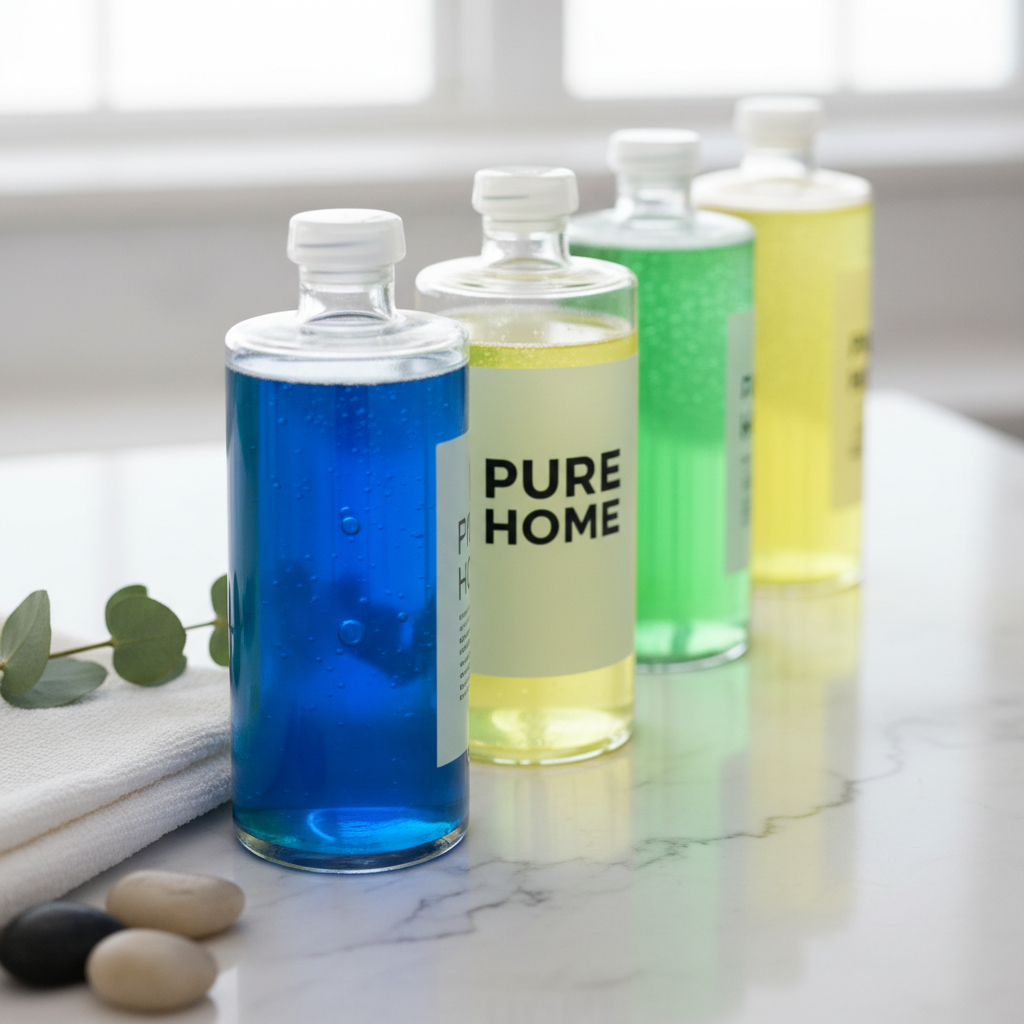
A common misconception is that a single cleaning product can be used on all surfaces. Different materials require different care. For example, wood surfaces need a cleaner that conditions as well as cleans, while stainless steel requires a special solution to prevent streaks and maintain its shine. Always check the label to ensure the product is appropriate for the surface.
Myth 8: Disinfecting and Cleaning Are the Same
Cleaning and disinfecting are not interchangeable. Cleaning involves removing dirt and impurities from surfaces, while disinfecting involves killing germs. To ensure a truly clean and germ-free environment, it's important to both clean and disinfect, especially in high-touch areas like kitchens and bathrooms.
Understanding these common cleaning myths can lead to a more effective and safer cleaning routine. By using the right products and techniques, you can maintain a clean and healthy home without falling for these misconceptions.