Debunking Cleaning Myths: What Really Works

Introduction to Cleaning Myths
Cleaning is a task that many of us undertake regularly, yet there are numerous myths surrounding it that can lead to wasted effort and less-than-satisfactory results. In this article, we'll explore some common cleaning myths and explain what truly works. By debunking these misconceptions, you'll save time and achieve a cleaner home.
Myth 1: More Detergent Means Better Cleaning
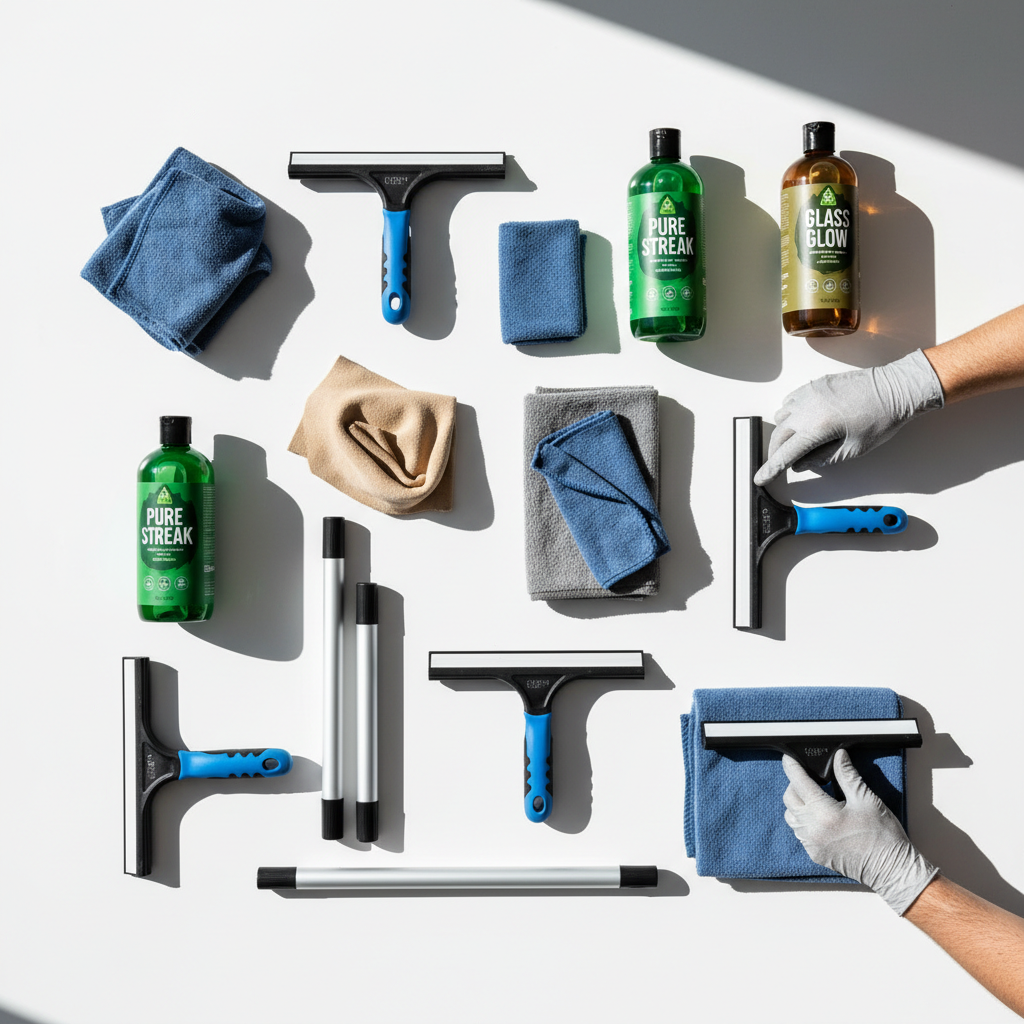
One of the most pervasive myths is that using more detergent will result in cleaner clothes or surfaces. In reality, using too much detergent can lead to residue buildup, which attracts more dirt. It's essential to follow the manufacturer's instructions for the correct amount to use.
Why Less is More
Using the right amount of detergent ensures that your items are rinsed properly, leaving them fresh and residue-free. This practice not only saves money but also extends the life of your fabrics and surfaces.
Myth 2: Vinegar Cleans Everything
Vinegar is often touted as a universal cleaning solution. While it is effective in many situations, it's not suitable for everything. For instance, vinegar can damage natural stone surfaces and certain appliances.
Where Vinegar Shines
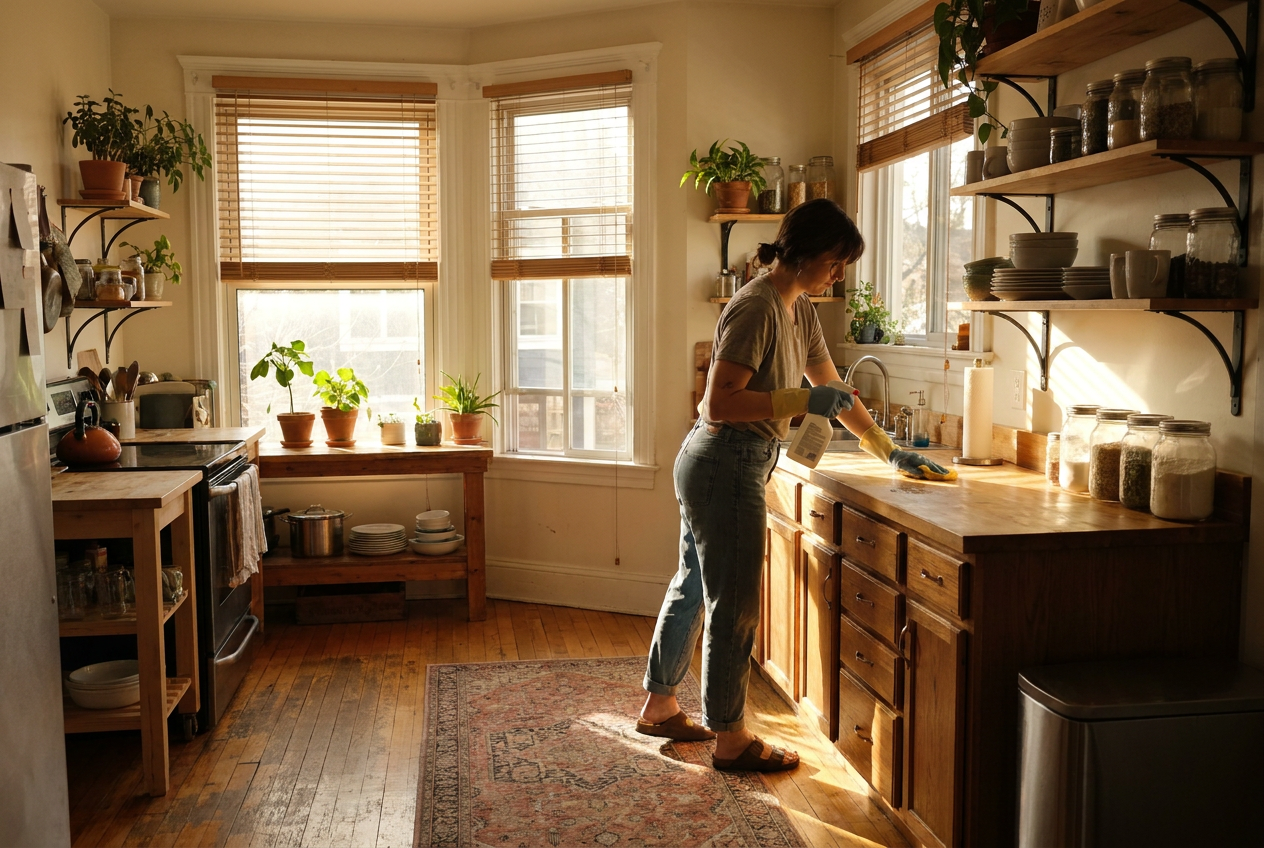
Vinegar works well for cleaning glass, stainless steel, and some fabrics. However, always test it on a small area first to ensure it doesn't cause damage. For surfaces like granite or marble, opt for pH-neutral cleaners instead.
Myth 3: Disinfecting and Cleaning Are the Same
Many people confuse cleaning with disinfecting. Cleaning involves removing dirt and impurities, whereas disinfecting involves killing germs. Both are important, but they serve different purposes.
Steps to a Germ-Free Home
- First, clean surfaces to remove dirt and debris.
- Next, use a disinfectant to kill germs effectively.
- Allow the disinfectant to sit for the recommended time for maximum efficacy.
Myth 4: Bleach is the Ultimate Cleaner
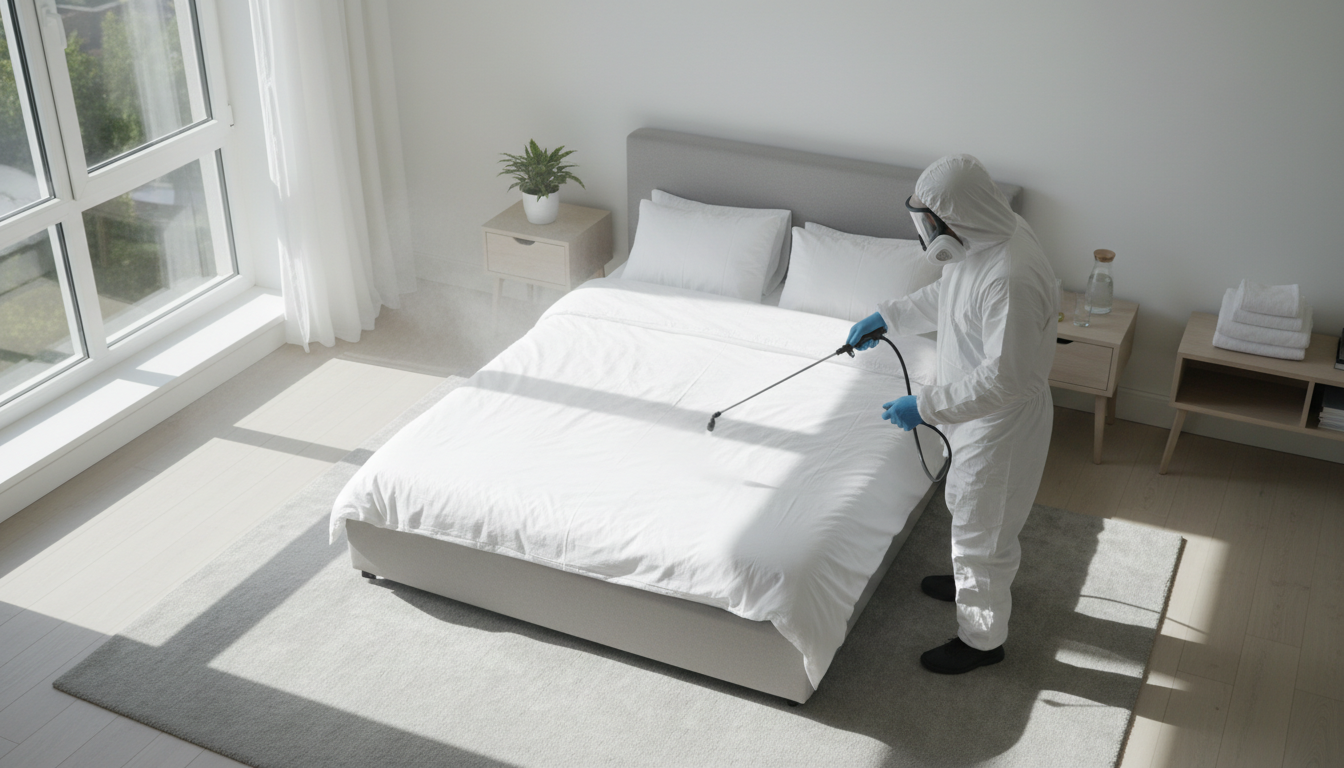
While bleach is a powerful disinfectant, it's not an all-purpose cleaner. Bleach can be harsh and should be used with caution, especially on colored fabrics and certain surfaces.
Alternatives to Bleach
Consider using milder alternatives like hydrogen peroxide or specialized cleaners for specific tasks. These options can be just as effective without the risks associated with bleach.
Conclusion: Cleaning Smarter, Not Harder
By understanding and avoiding these common cleaning myths, you can clean more efficiently and effectively. Remember, it's not about how much you use, but how you use it. With the right techniques and products, maintaining a clean home becomes a simpler, more manageable task.