
Debunking Common Cleaning Myths: What Really Works

The Myth of Vinegar as a Universal Cleaner
Vinegar is often touted as a miracle cleaning solution for almost everything in your home. While it's true that vinegar can be effective for certain tasks, it’s not the solution for all cleaning needs. For instance, vinegar is great for cutting grease and removing odors, but it can damage surfaces like granite and marble due to its acidic nature.
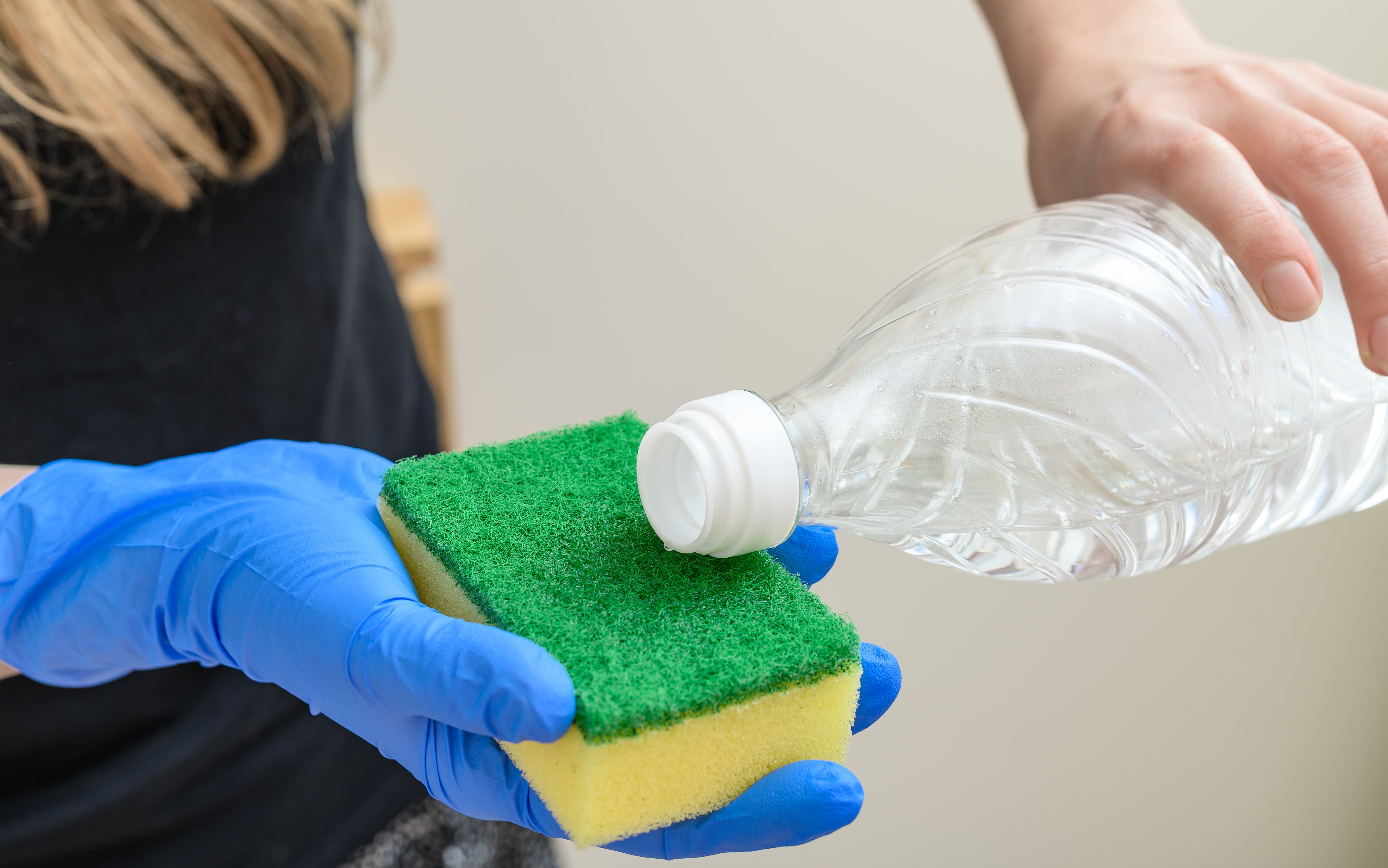
It's important to understand where vinegar's cleaning power shines and where it falls short. Use it for cleaning glass, but avoid using it on natural stone surfaces or on electronic screens.
Why Baking Soda Isn't Always the Best Choice
Baking soda is another household staple that many believe can clean just about anything. While it excels at neutralizing odors and scrubbing away grime, it’s not a disinfectant. Relying solely on baking soda for cleaning tasks that require disinfection can lead to hygiene issues.
For tasks that involve bacteria or germs, such as cleaning kitchen counters or bathroom surfaces, it's better to use a product that specifically states it kills germs and bacteria.
Bleach: The Misunderstood Cleaner
Bleach is often seen as the ultimate germ killer. While it's effective at disinfecting, it doesn't actually clean dirt and grime. Bleach should be used after surfaces are cleaned with soap and water to ensure both cleanliness and disinfection.
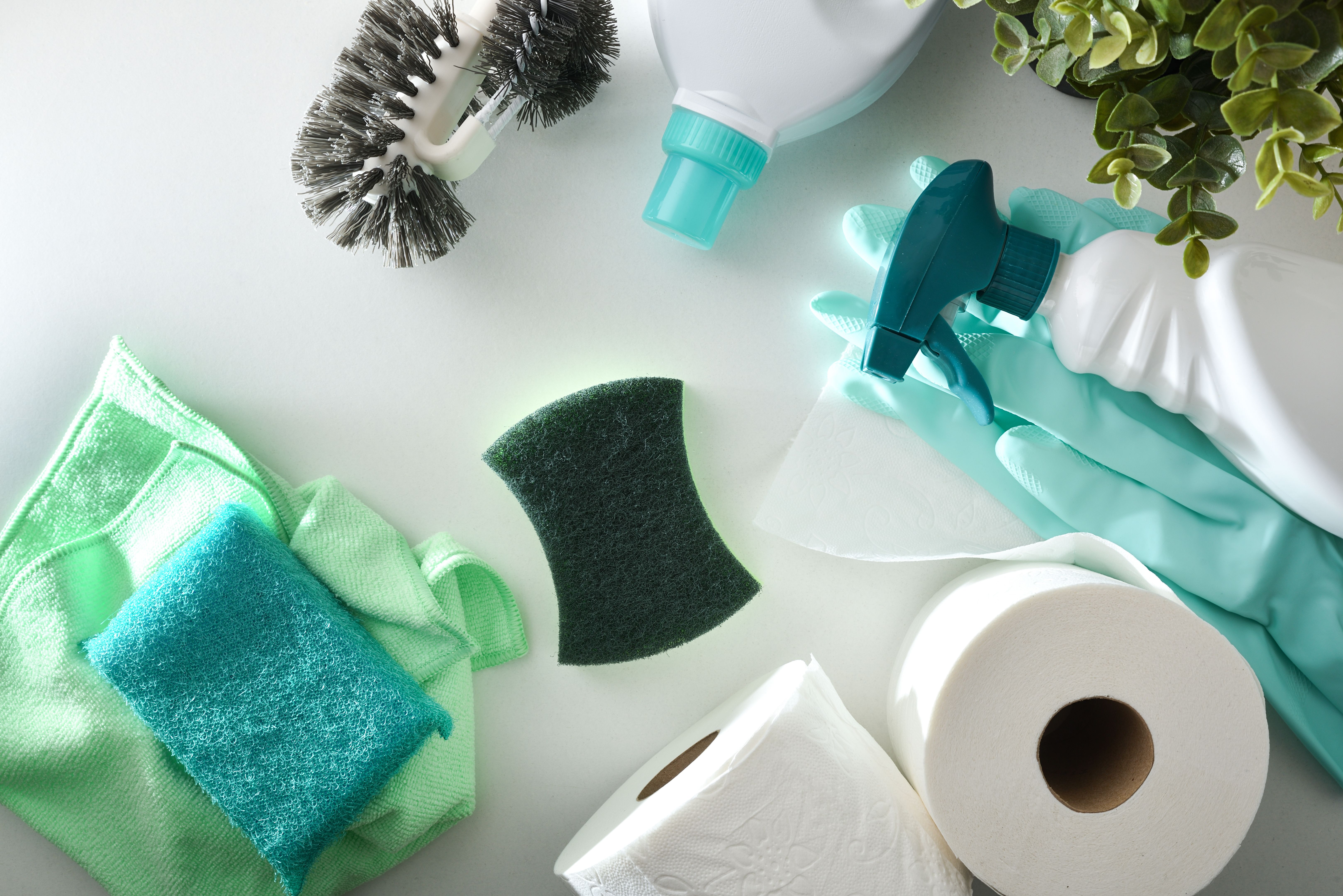
Another common misconception is that mixing bleach with other cleaning products boosts its power. In reality, this can be dangerous, particularly when mixed with ammonia or vinegar, leading to the release of harmful gases.
The Truth About Steam Cleaning
Steam cleaning is gaining popularity as a chemical-free method to clean and sanitize. However, it's not suitable for all surfaces. Materials like hardwood floors can be damaged by excessive heat and moisture.
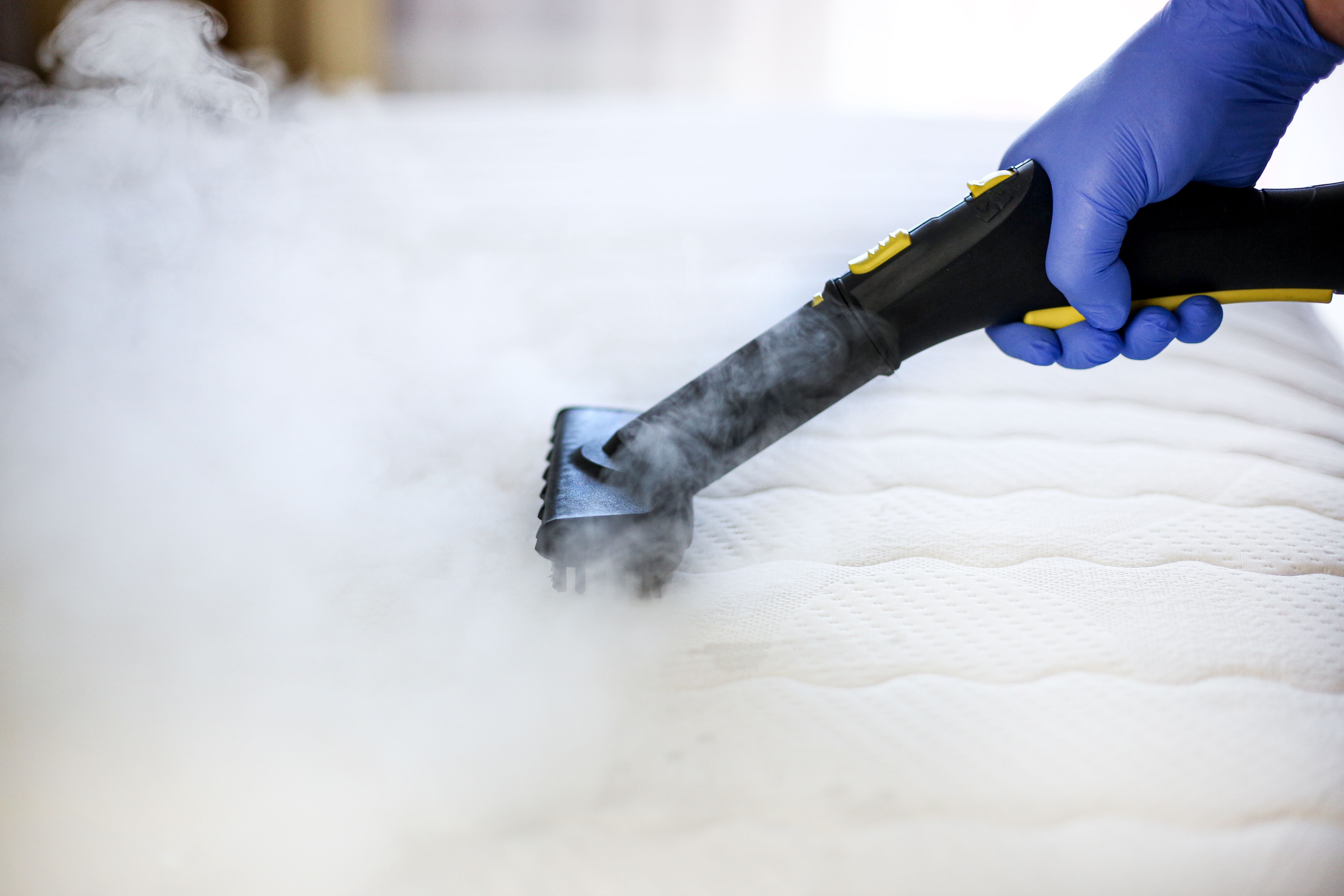
Before using a steam cleaner, it's crucial to check the manufacturer's guidelines for your specific surface types to avoid any unintended damage.
Essential Oils in Cleaning: Fact or Fiction?
Essential oils are often promoted for their pleasant scents and supposed antibacterial properties. While some oils like tea tree and eucalyptus do have antimicrobial qualities, they are not replacements for traditional disinfectants.
Use essential oils to add fragrance and a sense of freshness to your cleaning routine, but for serious sanitation, rely on proven cleaning agents.
Conclusion: Cleaning Myths Busted
Understanding the limitations and strengths of popular cleaning agents can save time, effort, and potential damage to your home. Always choose the right product for the right job to ensure efficiency and safety.
By debunking these common cleaning myths, you can create a more effective and reliable cleaning routine that truly works.