
Debunking Common Cleaning Myths: What Really Works?


Introduction to Cleaning Myths
Cleaning is an essential part of maintaining a healthy and welcoming home. However, myths about cleaning methods and products can lead to ineffective practices. In this blog post, we’ll explore some common cleaning myths and reveal what truly works to keep your space sparkling.
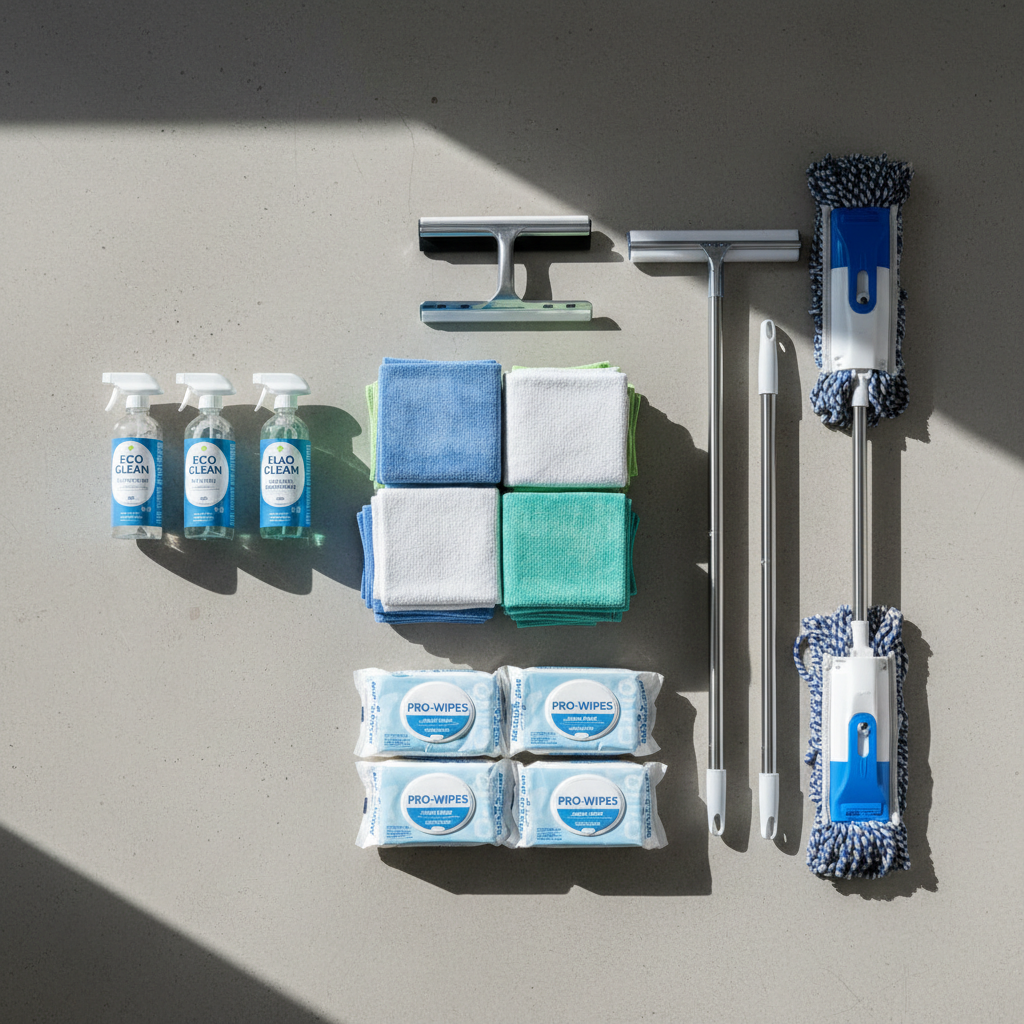
Myth 1: Vinegar Cleans Everything
Vinegar is often touted as a universal cleaner, but it has its limitations. While it’s excellent for removing mineral deposits and cutting through grease, vinegar is not effective against all bacteria and viruses. It’s important to use a disinfectant for areas that require thorough sanitation.
Additionally, vinegar can damage certain surfaces such as marble and granite. To clean these surfaces, use a pH-neutral cleaner instead. Understanding when and where to use vinegar can save you from potential damage and ensure effective cleaning.
Myth 2: More Soap Means Cleaner Surfaces
Using more soap does not necessarily mean cleaner surfaces. In fact, excess soap can leave a residue that attracts more dirt and grime. This is especially true for dishwashing and laundry detergents.
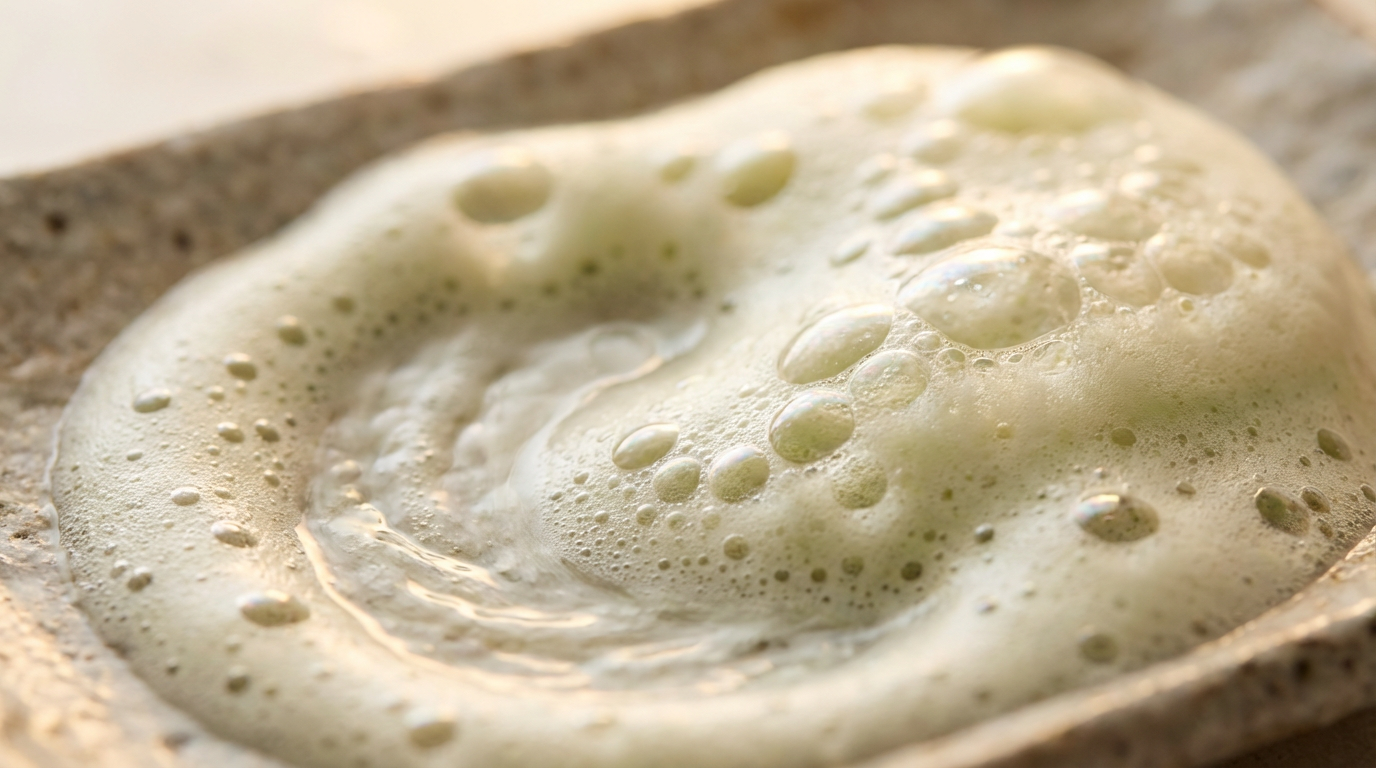
To avoid buildup, always follow the manufacturer’s instructions on the correct amount of soap or detergent to use. If you notice residue, rinse the surfaces thoroughly with water. This will help maintain a truly clean and residue-free environment.
Myth 3: Bleach is the Best Cleaner for Everything
Bleach is a powerful disinfectant but not a universal cleaner. It doesn’t remove dirt and grime; rather, it sanitizes surfaces. For effective cleaning, remove dirt first with a suitable cleaner, then use bleach to disinfect.
Also, bleach can be too harsh for some materials, such as wood and certain fabrics. Use it cautiously and in well-ventilated areas to avoid potential health risks from fumes.
Myth 4: Feather Dusters Are Effective Dust Removers
Feather dusters often spread dust around instead of removing it. Opt for microfiber cloths instead, which trap and hold dust particles more efficiently. Microfiber cloths are reusable, making them an eco-friendly choice as well.
To further enhance dust removal, slightly dampen the cloth before use. This technique captures dust better and minimizes the likelihood of particles scattering back into the air.
Conclusion: Cleaning Smarter, Not Harder
Understanding the truth behind cleaning myths can help you adopt more effective practices and achieve a truly clean home. By choosing the right tools and techniques, you can clean smarter, save time, and ensure your home remains a healthy environment.
By debunking these myths, you’re now equipped with the knowledge to make informed decisions about your cleaning routine. Your home deserves the best care, so always strive for methods that offer both efficacy and safety.