
Debunking Common Cleaning Myths: What Really Works

Understanding the Basics of Cleaning Myths
Cleaning is an essential part of maintaining a healthy and pleasant living environment. However, there are numerous myths about cleaning that can lead to ineffective or even harmful practices. Let's dive into some of these common misconceptions and explore what really works.
Myth 1: Vinegar is a Universal Cleaner
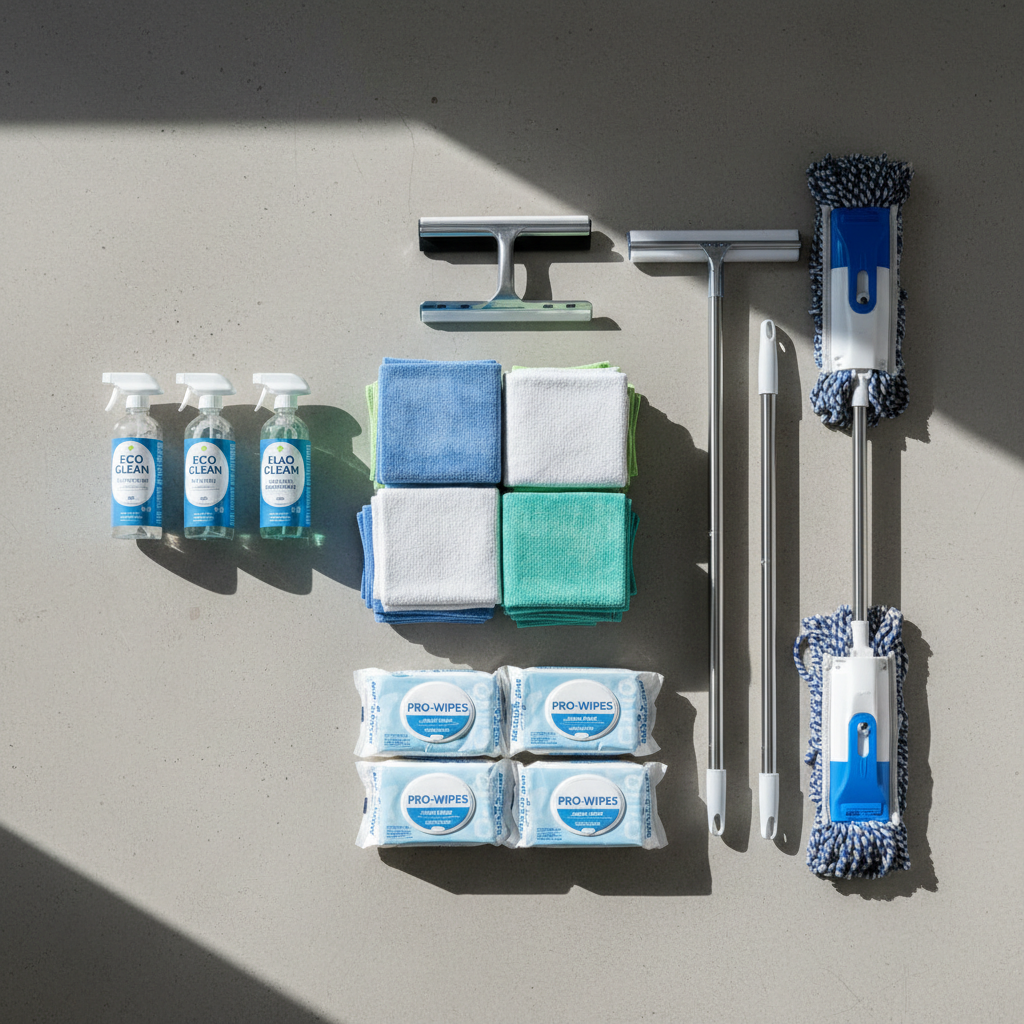
Vinegar is often touted as a miracle cleaner that can tackle any surface. While it's true that vinegar is effective for some cleaning tasks, such as removing mineral deposits, it is not suitable for everything. For instance, vinegar can damage natural stone surfaces like granite and marble. It’s important to use the right cleaner for each specific task.
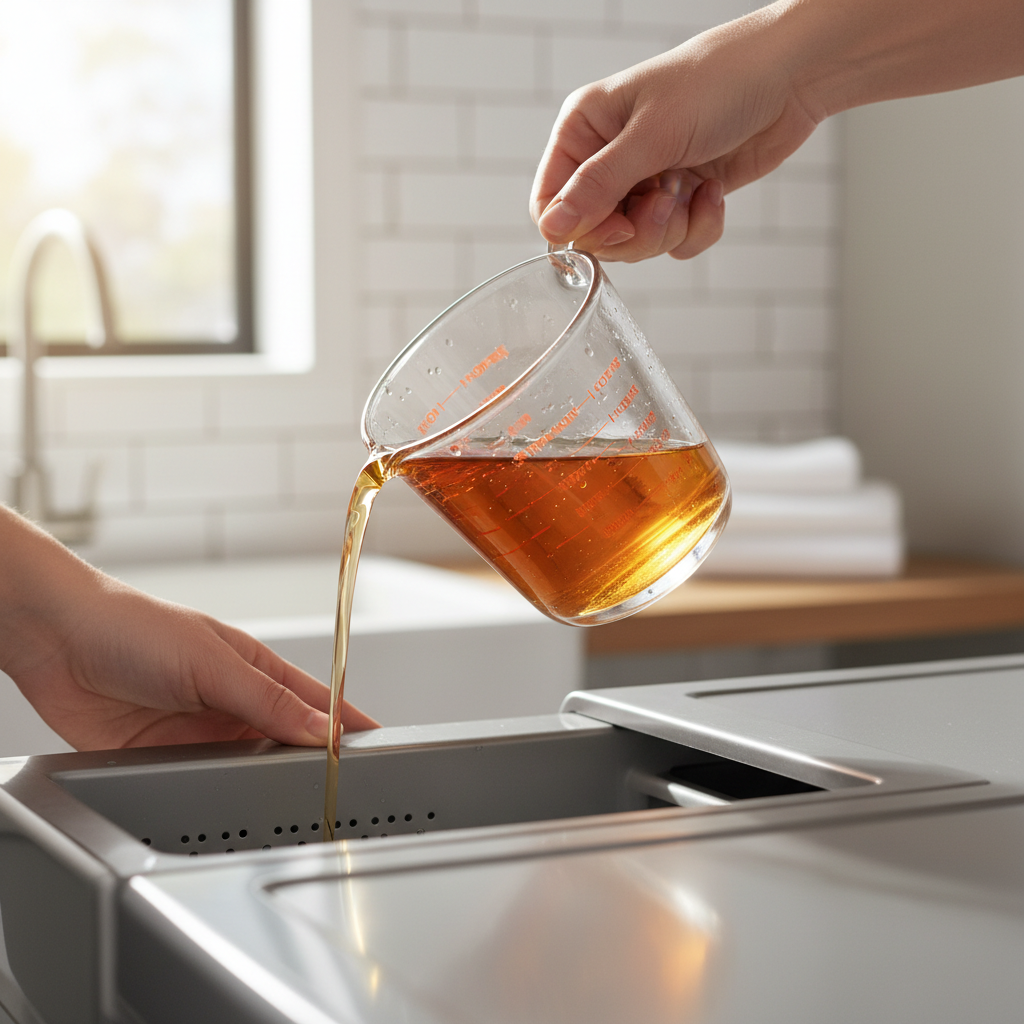
Instead of relying solely on vinegar, consider using it in combination with other natural cleaners. A mixture of baking soda and vinegar can be effective for unclogging drains, but be cautious about using it on sensitive surfaces.
Myth 2: More Detergent Equals Cleaner Laundry
Many people believe that using more detergent will make their clothes cleaner. In reality, using too much detergent can leave residue on clothing and cause buildup in your washing machine. This can lead to odors and even damage your machine over time.
To avoid this, stick to the recommended amount of detergent for your load size and water hardness. Using less detergent can be just as effective and is often better for your clothes and appliances.
The Truth About Germs and Cleaning
When it comes to germs, many myths can lead to unnecessary stress or ineffective cleaning practices. Let’s uncover the truth behind some of these beliefs.
Myth 3: All Germs Must Be Eliminated
While it's important to maintain cleanliness, it’s not necessary to eradicate all germs. In fact, exposure to some germs can help build immunity. Overusing antibacterial products can contribute to the development of resistant bacteria.
Focus on cleaning high-touch surfaces regularly and use disinfectants where necessary, but don’t obsess over creating a completely sterile environment.
Myth 4: Bleach is the Best Disinfectant
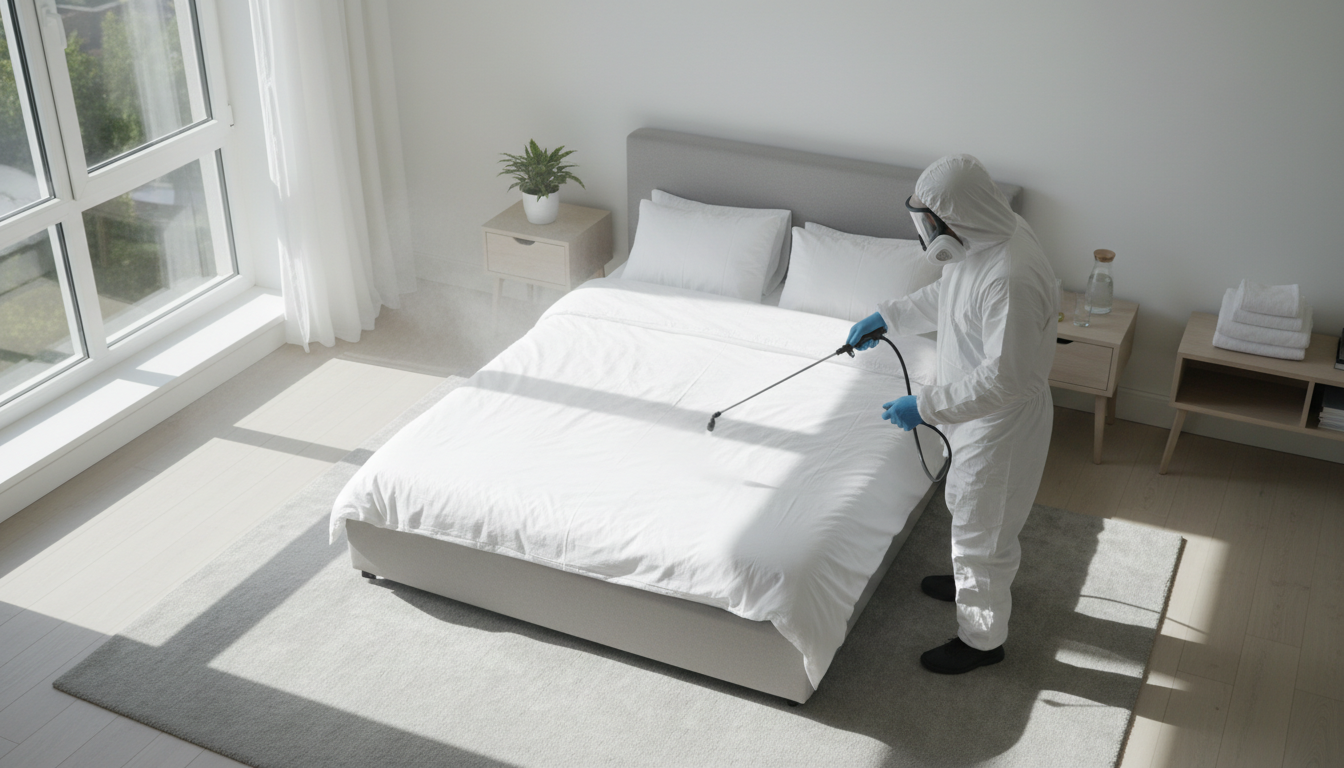
Bleach is indeed a powerful disinfectant, but it's not always the best choice. It can be harsh on surfaces and dangerous if not used properly. Moreover, using bleach inappropriately can contribute to respiratory issues.
Consider using hydrogen peroxide or alcohol-based cleaners as safer alternatives for disinfecting, especially in areas like the kitchen or bathroom.
Conclusion: Smart Cleaning Practices
Debunking cleaning myths can lead to more effective and safer cleaning practices. By understanding what works and what doesn’t, you can maintain a clean and healthy environment without falling for common misconceptions.
Remember to choose the right cleaner for each task, use products in moderation, and focus on maintaining balance rather than achieving perfection. Happy cleaning!